Trucking and transportation industry has undergone several changes with advent of new technologies that are designed to help truck drivers navigate the road safely and timely delivery of cargo/products, the truck drivers are carrying during the transportation process.
These advance technologies such as GPS navigation system, Telematics, and many more are being adapted by trucking industry rapidly, firstly to enhance the transportation process and also to promote sustainability within the logistics industry.
Similar to these technologies which helps in smoother navigation, advanced drivers’ assistance program is one such technology designed specifically for drivers.
Advanced drivers’ assistance programs are designed for the drivers to ensure the vehicle as well driver’s safety on the road and improve the driving experience on the road.
By this one line definition we can gather, this is one of the most useful technology for the drivers, especially for the long-haul truck driver, who covers longer routes such as transportation of goods across borders.
In recent years, the advanced driver’s assistance technologies have completely transformed the way we tend to approach driving, promising to enhance safety for drivers, vehicle as well as the other road users and convenience on the road.
The advance drivers’ assistance include technologies such as advanced sensors, cameras, and Artificial Intelligence to assist drivers in during transportation process.
Types of driver assistance technologies include:
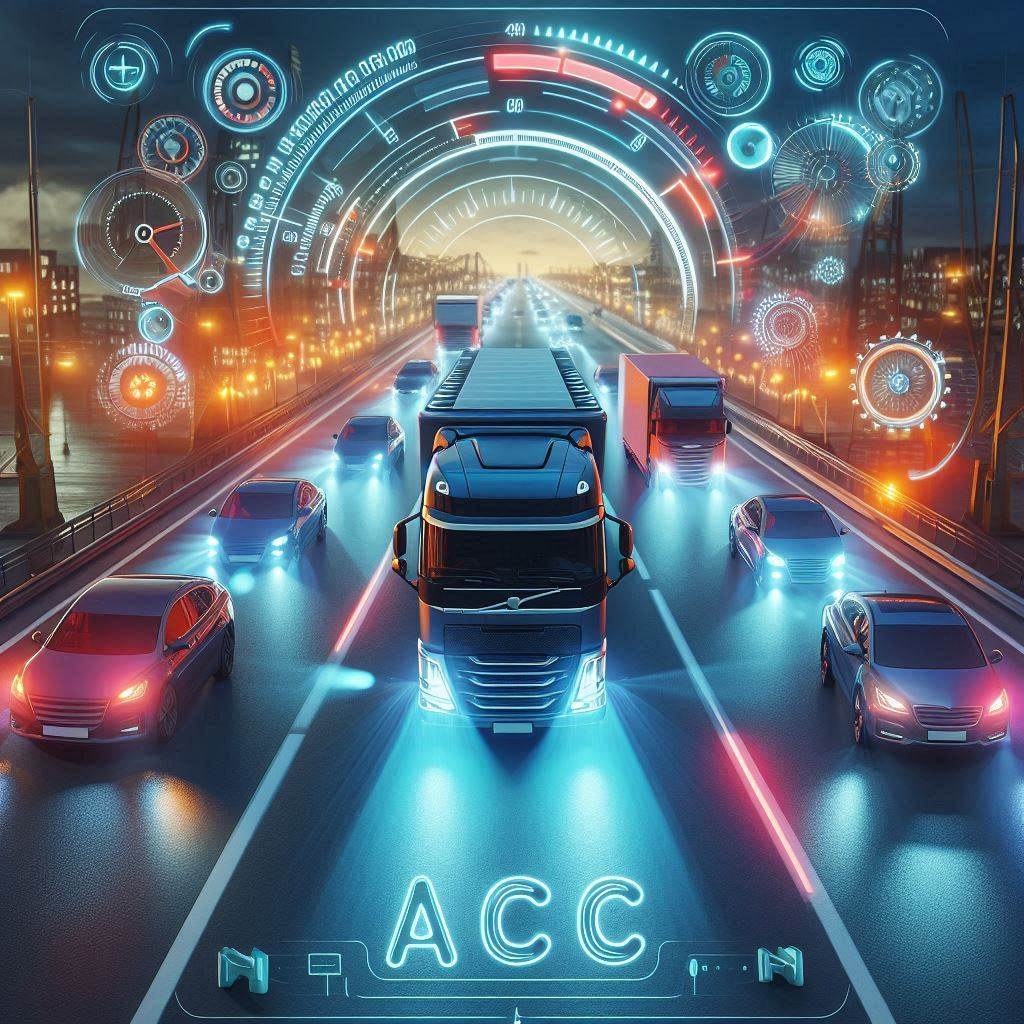
- Adaptive Cruise Control (ACC): The ACC (adaptive cruise control) automatically adjusts the vehicle’s speed to maintain a safe following distance from the car ahead for example: If the vehicle moving in front lower its speed, the vehicle will automatically will lower its speed to maintain safe distance and avoid crashing to the vehicle at front.
- Lane-Keeping Assist (LKA): Lane-keeping assist or LKA system helps drivers to stay in their lane and for that it uses cameras to detect lane markings and corrects the vehicle’s steering automatically if the vehicle begins to drift out of its lane. This feature aims to enhance road safety by preventing unintended or unnecessary lane changes.
- Parking Assistance: Parking assist technologies, including automated parallel parking and parking sensors which helps drivers manoeuvre into parking spaces with ease. In case of heavy duty vehicles like truck or trailer, the drivers should be extra careful without damaging the cargo they are carrying. These systems provide visual and auditory feedback to guide drivers and reduce the risk of collisions while parking.
- Automatic Emergency Braking (AEB): AEB systems or automatic emergency breaking system can detect potential collisions with vehicles or obstacles in the truckers’ path and automatically apply the brakes if the driver fails to apply the brake on time. This is one of the feature is important for preventing accidents and minimizing the impact on drivers as well as vehicle.
The Advanced Drivers’ Assistance are designed to make the driving safer and more comfortable, during the transportation process especially while navigating complex routes.
However, the more useful this technology proves to be it also often lead to enhance safety can inadvertently lead to distraction and complacency among drivers. As drivers are becoming increasingly rely on these technologies.

The Fine Line between Assistance and Distraction
Distracted Driving
Driver distraction, the term itself defines that during the transportation process or while on the road, the driver often gets distracted by unnecessary means of distraction such as use of mobile phones or relying too much on Advanced Driver’s Assistance Technology.
Study shows that, though the introduction of this technology has been useful for drivers and the industry in terms of safety but it also has its disadvantages and also affecting the performance of drivers while sitting behind the wheels. As it is said above in heading there is always a fine line between assistance and distraction.
- While the driver assistance technologies are specifically designed to enhance safety, the driver’s assistance system is one of the main sources of distraction among drivers, especially when these drivers become overly reliant on them and for truck drivers this heavy reliance on the technology can disrupt the whole logistic operation.
- The main problem is that the drivers be it heavy-duty vehicles such as truck drivers or normal automobile drivers mistakenly assume that these new systems can completely take over their whole driving tasks which leads to the false sense of security.
- For example, during transportation process, due to reliability on these technologies, driver may feel comfortable enough to glance at their phone, believing the vehicle will handle the driving on its own and that behaviour may led to serious situations which may end in accident or disrupt the transportation process for truck driver.
- Studies have shown that when drivers split their focus, their reaction times and decision-making capabilities suffer.
- For example, if a driver is attempting to understand the lane-keeping assist system while navigating heavy traffic, their ability to respond to sudden stops or unexpected movements from other vehicles is compromised. This cognitive distraction can increase the likelihood of accidents, as drivers may not be prepared to react swiftly to changes in their environment.

There has been many incident related to distractive driving, especially when the drivers are too much reliable on ADAS (Advance Driver’s Assistance System). This requires drivers to remain engaged and attentive, even while relying on advanced assistance technologies.
The risks associated with driver distraction are real and significant, highlighting the importance of balancing the benefits of these systems with the responsibility of staying focused on the road.
Psychological and Behavioural Impact on Drivers
Overconfidence on Technology
Not only has the introduction of driver’s assistance system but also the other technologies that are being adaptable in logistics and transportation industry tends to build a sense of overconfidence among drivers.
Many drivers, be it truck drivers or automobile drivers mistakenly believe that these new technologies or system inbuilt in trucks can fully manage their driving experience, leading them to feel a sense of self-assurance.
When the drivers starts to rely heavily on these technologies like adaptive cruise control or lane-keeping assist, they started to feel distracted from the driving task.
This can result in drivers becoming less vigilant, believing that their vehicle will automatically handle potential hazards.

Reduction in Situational Awareness
Drivers who depend on these technologies often become less aware to their surroundings, as they focus more on the system’s functions or using gadgets such as mobile phones and tablets rather than actively observing the road.
This can hinder the driver’s ability to respond effectively to sudden changes in the driving environment, such as unexpected obstacles, changes in traffic patterns, or the actions that has been done by other road users.
If the driver is preoccupied with the lane-keeping assist alerts, they often fail to notice the pedestrian stepping onto the road.

Driver Behaviour Changes
The interaction between drivers and assistance technologies often leads to behavioural changes that can compromise safety. With the convenience of features like voice commands and touchscreens, drivers may feel compelled to engage with these systems while on the move.
This can include checking navigation updates, adjusting settings, or even responding to notifications from smartphones. Such multitasking can create distractions, diverting attention away from driving.
To ensure that the drivers safely use the technologies like advance driver assistance system and other technologies, it is crucial for the industry to train the drivers about how these systems work and their limitations.
Even hiring agencies should also take initiative by sharing the knowledge of these technologies with truck drivers who may have less idea about it. The training programs and user manuals can help drivers to make informed decisions.
Mindful use of technology is also essential; drivers should stay focused on the road and utilize assistance features appropriately, avoid being distracted during transportation process. By fostering a culture of awareness and accountability, we can enhance safety and maximize the benefits of these advanced systems.

Conclusion
In conclusion, advanced driver assistance systems (ADAS) are meant to make driving safer and improve the experience for truck drivers. However, these technologies can also create distractions and make drivers too confident. When drivers rely too much on these systems, they may not pay enough attention to the road, which can lead to accidents.
It’s important for the trucking industry to provide training that helps drivers understand how these systems work and their limits. Skillbee ensures that truck drivers from India and Gulf countries are qualified and skilled for European jobs during the hiring process only. This way, drivers have the knowledge they need to use these technologies safely.
By encouraging drivers to stay focused and aware, we can enjoy the benefits of these advanced systems while keeping everyone safe on the road. If you are a skilled truck driver looking for opportunities in Europe, contact Skillbee to start your journey.
 +91 73 6009 6009 (India)
 contact@skillbee.com
Leave a Reply