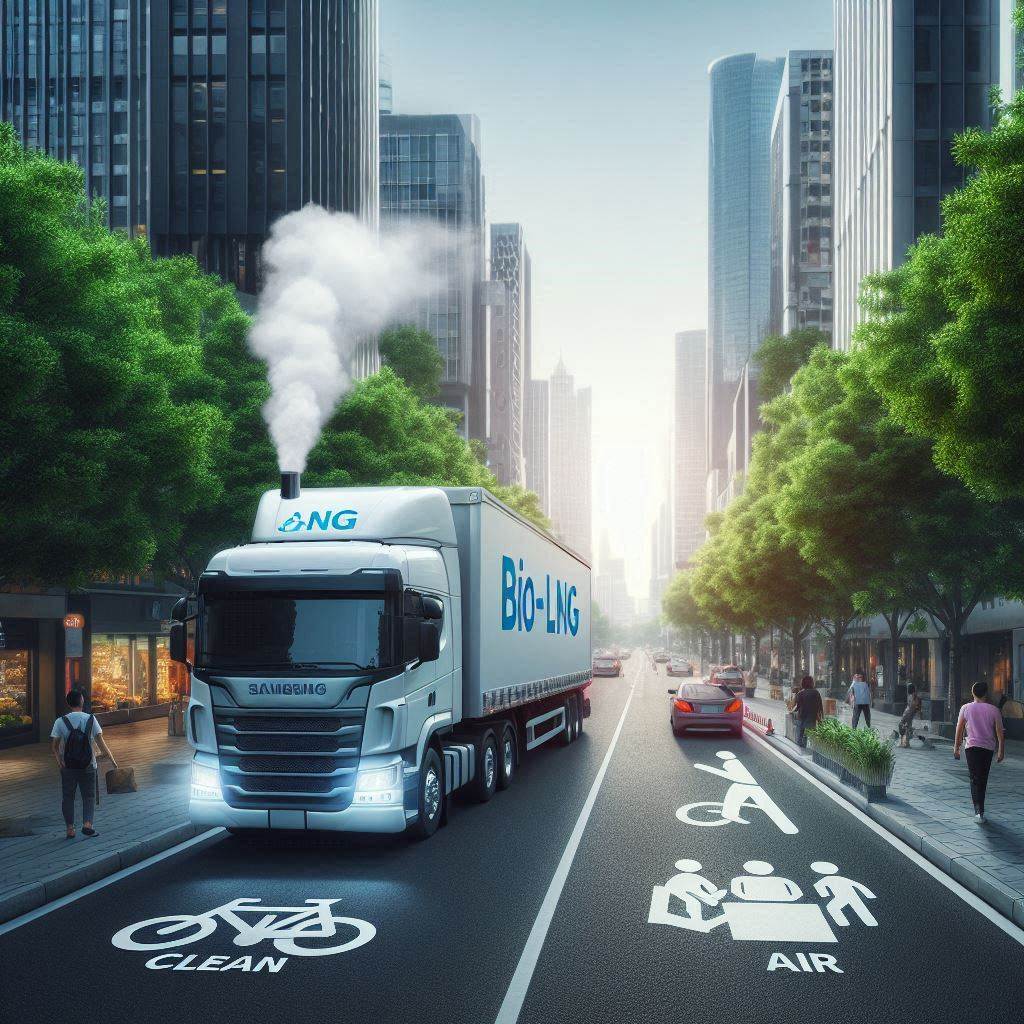
The trucking industry plays an important role in global trade and commerce by transporting goods from one distance to vast distances. However, this has led to the significant impact on the environment, which contributes in greenhouse gas emissions, air pollutions and noise pollutions.
In recent years, the trucking industry is actively adopting the environment friendly approach such as fuel alternatives to reduce its environmental impact. One of the most promising solutions with other alternate fuel options was Liquefied Natural Gas (LNG).
It is also considered as an emerging fuel options which offers benefits for truck drivers, especially the long haul truck drivers in transportation industry. By converting natural gas into a liquid form, LNG can be efficiently stored and transported, actually providing a great alternative to the traditional diesel fuels.
LNG has been in use in trucking industry to basically gain traction due to its ability to reduce emissions compared to traditional diesel fuels. However, better than LNG as a sustainable option is Bio-LNG, which is derived from renewable sources such as agricultural waste, landfills, and wastewater treatment facilities.
Bio-LNG-powered trucks represent much cleaner and more sustainable option for long-haul transportation. With the use of renewable resources, Bio-LNG lowers greenhouse gas emissions, helps to mitigate climate changes.
It also offers various benefits for truck drivers which includes improved working conditions and a healthier life during the journey and great job opportunities in the developing industry.
As trucking industry are actively adopting Bio-LNG, this not only contributes to a greener environment but also enhance the quality of life for those behind the wheel (truck drivers).
In this blog, we will learn more about Bio-LNG which is being used as alternative fuels.
What is Bio-LNG?
Before moving further, let us know more about the Bio-LNG, or Bio-Liquefied Natural Gas, is the renewable form of liquefied natural gas (LNG) which are produced from the organic materials. Unlike the LNG (Liquefied Natural Gas), which is derived from fossil fuels, Bio-LNG is generated from biogas through a process of purification and liquefaction.
Comparison of Bio-LNG with LNG and Diesel Fuels
Source and Production:
- Bio-LNG: The Bio-LNG are produced from the renewable organic materials, and makes it likeably sustainable alternative option in comparison to fossil fuelled vehicles.
- LNG: LNGs are derived from natural gas extraction and processing, this gas contributes to the environmental concerns.
- Diesel Fuels: Diesel vehicles use fossil fuel which are sourced from crude oil, this rises concern of rising of greenhouse gas emissions and impacts badly on environment.

Emissions:
- Bio-LNG: It significantly reduces the carbon dioxide emission compare to diesel (which is up to 80%). It also eliminates particulate matter (PM) and nitrogen oxides, which eventually leads to improved air quality.
- LNG: Though it is used as alternative fuels, but it still produces greenhouse gases which often leads to methane leaks during the transportation process.
- Diesel Fuels: Diesel is fuel is known for its emission of harmful gases and impacting the environment which eventually contributes to climate change and health risks.
Environmental Advantages of Bio-LNG
- Reduction in Greenhouse Gas Emissions: Bio-LNG reduces CO2 emissions by up to 80% as compared to diesel fuelled vehicles. It is a renewable energy source, which contributes in reducing the carbon footprint of the transportation industry.
- Improved Air Quality: Combustion of Bio-LNG fuels produces minimal particulate matter and nitrogen oxides (NOx), leading to better air quality and reduced health risks for communities near major transportation routes.
- Utilization of Waste: The production of Bio-LNG often involves the conversion of organic waste materials into fuel, addressing waste management issues while generating energy. This process helps to mitigate methane emissions from landfills, a potent greenhouse gas.

Comparison of Bio-LNG, EV, and Hydrogen-Fuelled Trucking
Emissions:
- Bio-LNG reduces carbon dioxide emissions up to 80% as compared to diesel and produces minimal amount of nitrogen oxides (NOx) and particulate matter. While, electric vehicles (EVs) emits zero tailpipe emissions, and their lifecycle emission depends on the electricity source.
- Hydrogen-fuelled trucks also emits zero emissions, but their sustainability hinges on how the hydrogen is produced as it is fairly new in comparison to other two.
Infrastructure:
- Bio-LNG requires specialized refuelling stations, but the LNG fuelled infrastructure can often be used. While, the EVs are benefitting from a continuous adaptation of these vehicle and charging station or infrastructures are expanding with its use.
- Hydrogen-fuelled trucks do face some challenges due to the limited hydrogen fuelling stations as compared to EVs charging stations or diesel fuel stations.

Costs:
- Bio-LNG and hydrogen trucks have high initial costs for vehicles as well as for the infrastructure, they can also lead to long-term savings due to their lower operational costs.
- EVs do also have higher upfront costs but benefit from government incentives and generally lower operational costs, making them increasingly appealing.

Advantages for Truck Drivers
Improved Working Conditions:
One of the significant advantages of Bio-LNG-powered trucks like other alternative fuels is the improved working conditions for the truck drivers. With Bio-LNG’s cleaner combustion properties than diesel trucks, drivers tends to experience lower exposure to harmful emissions or gases caused by the diesel vehicles, which also contributes in better health condition and their overall well-being.
Bio-LNG engines also operates quietly than traditional diesel engines, resulting in better driving experience. The reduction in noise pollution also enhance drivers comfort during the journey and also minimize the disruptions in the urban areas where truckers operates on large scale.

Job Opportunities:
The shift towards alternate fuels like use of Bio-LNG in the trucking industry has created a increased demand for skilled drivers in operating these vehicles.
Fleets have started to adopt new alternative fuels such as Bio-LNG, which are likely to expand better capability and increase operations to meet the growing needs in the market for sustainable transport solutions, which leads to more job opportunities for drivers.

Sustainability Engagement:
By driving Bio-LNG-powered trucks, drivers play a vital role in contributing to a greener future. They become part of a larger movement toward sustainable transportation, helping to reduce the carbon footprint of the trucking industry.
This engagement in sustainability can provide truck drivers with a sense of personal fulfillment and pride in their work, knowing that they are contributing to environmental protection and the fight against climate change. Many drivers find motivation in the idea that they are driving vehicles that are environmentally friendly, leading to a more rewarding and meaningful career.
Conclusion
The adoption of Bio-LNG in the trucking industry is paving the way for a more sustainable and environmentally friendly future, benefiting both the planet and the drivers who are integral to keeping goods moving.
With Bio-LNG, the industry can reduce greenhouse gas emissions, improve air quality, and address waste management, creating a positive impact on communities and ecosystems.
For truck drivers, Bio-LNG-powered trucks offer a healthier and more comfortable work environment, along with opportunities to work in a sector that values environmental responsibility.
Skillbee supports this transition by exclusively hiring skilled truck drivers from India for roles across Europe. As European fleets adopt sustainable practices, Skillbee enables Indian drivers to be part of this green shift in logistics.
By providing these drivers with access to jobs in eco-friendly fleets, Skillbee helps them contribute to a more sustainable future for the trucking industry in Europe.
 +91 73 6009 6009 (India)
 contact@skillbee.com
Leave a Reply