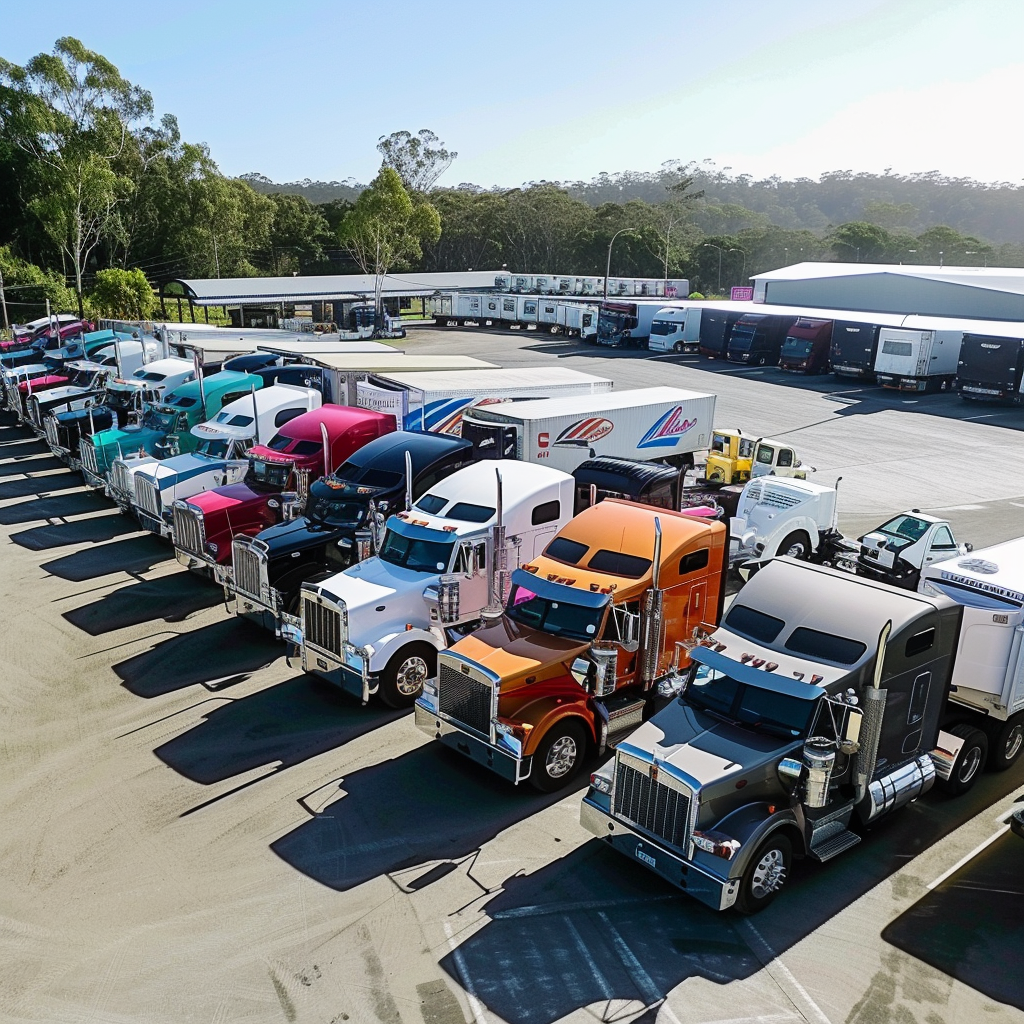
When you’re on the road towing a trailer, finding a safe and convenient parking spot for rest breaks or overnight stays is essential. This guide will help you navigate the process of locating the nearest daily trailer parking space with ease. From using navigation apps like Google Maps and Waze to checking online directories and contacting truck stops, we’ll explore various methods to find the ideal parking spot.
Additionally, we’ll delve into crucial factors such as security measures, accessibility, amenities, and compliance with parking regulations to ensure your safety and peace of mind. By following these simple steps and trusting your instincts, you can find safe and secure trailer parking near you, making your journey on the road smoother and more enjoyable.
Finding the Nearest Daily Trailer Parking Space
When you’re on the road with a trailer in tow, finding suitable parking for the night or during rest breaks is crucial for safety and convenience. Here’s a comprehensive guide on how to locate the nearest daily trailer parking space:
1. Utilize Navigation Apps
Navigation apps have become indispensable tools for travelers, including truck drivers. Here’s how you can leverage them:
- Google Maps: Google Maps is a widely used navigation app that provides real-time traffic updates, directions, and location information. Truckers can use it to search for truck stops, rest areas, or parking lots suitable for trailers.
- Waze: Waze is another popular navigation app known for its community-driven features and real-time traffic updates. Truckers can use Waze to find nearby parking options and receive alerts about road conditions or hazards.
- Specialized Trucking Apps: There are dedicated trucking apps like Trucker Path, which cater specifically to the needs of truck drivers. These apps often include features such as truck-friendly routes, parking availability, and reviews from other drivers.

2. Check Online Directories
Online directories provide a convenient way to search for truck parking locations. Here’s how you can use them effectively:
- TruckPark: TruckPark is an online platform that connects truck drivers with available parking spaces. It offers a searchable database of parking locations along with amenities, pricing, and reviews.
- Park My Truck: Park My Truck is another online directory that helps truck drivers find parking options nationwide. Users can search based on their current location or route and filter results based on amenities and services offered.

- Trucker Path: Trucker Path is a comprehensive app that not only provides navigation and routing but also includes a database of truck stops, rest areas, and parking locations. Drivers can search for parking availability and amenities, as well as view user reviews and ratings.

3. Contact Truck Stops
Truck stops are a reliable option for finding daily trailer parking. Here’s how you can check for availability:
- Call Ahead: Before reaching a truck stop, it’s a good idea to call ahead and inquire about parking availability. Some truck stops may have limited space, especially during peak hours, so calling ahead can help you plan accordingly.
- Ask About Fees: While many truck stops offer free parking for customers, some may charge a fee for overnight or extended parking. Make sure to ask about any associated costs and payment methods.
- Check for Amenities: In addition to parking, truck stops amenities such as fuel stations, restaurants, showers, and convenience stores. Consider these factors when choosing a parking location for the night.

4. Consult Local Regulations
It’s essential to be aware of local parking regulations and restrictions when searching for daily trailer parking. Here’s what you need to know:
- Designated Parking Zones: Some areas may have designated parking zones or rest areas specifically for trucks and trailers. These areas are often marked with signs and may have designated spaces for overnight parking.
- Overnight Parking Restrictions: Be mindful of any restrictions on overnight parking for trailers. Certain areas may prohibit overnight parking or have time limits for parking in certain locations.
- Compliance with Regulations: To avoid fines or penalties, make sure to comply with local parking regulations and signage. Ignoring parking restrictions can result in tickets or towing of your vehicle.

5. Consider Commercial Lots
Commercial parking lots and storage facilities can provide secure parking options for trailers. Here’s what to consider:
- Security Measures: Commercial lots often have security measures in place, such as surveillance cameras, gated access, and security personnel. These features can help protect your vehicle and cargo while parked.
- Amenities and Services: Some commercial lots may offer additional amenities and services, such as restroom facilities, Wi-Fi, and vehicle maintenance services. Consider these factors when choosing a parking location.
- Cost: Commercial parking lots typically charge a fee for parking, so consider the cost when budgeting for your trip. Compare prices and amenities to find the best value for your needs.

6. Plan Ahead
Planning ahead is key to finding the nearest daily trailer parking space. Here are some tips for effective planning:
- Route Planning: Before hitting the road, plan your route and identify potential parking locations along the way. Take into account factors such as driving hours, rest breaks, and overnight stops.
- Backup Options: Have backup parking options in case your preferred location is full or unavailable. Knowing alternative parking locations can help you adapt to unexpected situations on the road.
- Stay Informed: Stay informed about road conditions, traffic updates, and parking availability using navigation apps and online resources. Being aware of current conditions can help you make informed decisions while on the road.
By following these steps and utilizing available resources, you can effectively find the nearest daily trailer parking space and ensure a safe and comfortable journey on the road.

Finding Safe and Secure Trailer Parking Near Me
Finding safe and secure trailer parking is essential for truck drivers and operators who need a place to rest or park their vehicles overnight. However, not all parking facilities offer the same level of safety and security. This guide provides a comprehensive overview of how to locate safe and secure trailer parking near your location.
1. Research Security Measures
When searching for trailer parking, prioritizing security measures is crucial to safeguarding your vehicle and cargo. Here are key security features to look for in parking facilities:
- Surveillance Cameras: Look for parking facilities equipped with surveillance cameras that monitor the premises 24/7. These cameras act as a deterrent to theft and vandalism, as well as provide valuable evidence in case of any incidents.
- Well-lit Parking Areas: Opt for parking locations that have well-lit parking areas, especially during nighttime. Adequate lighting not only enhances visibility but also discourages criminal activities by minimizing hiding spots.
- Security Patrols: Choose parking facilities that employ security patrols or personnel to monitor the premises regularly. Security guards can provide an added layer of protection and respond promptly to any security threats or emergencies.
- Secure Perimeter: Evaluate the perimeter security of the parking facility, including fencing and access control measures. A secure perimeter prevents unauthorized entry and enhances overall security.

2. Read Reviews
Before finalizing a parking location, it’s essential to read reviews from other truckers or drivers who have used the facility. Reviews offer valuable insights into the safety, security, and overall experience of parking at a particular location. Here’s how to effectively use reviews:
- Safety and Security: Pay close attention to reviews that specifically mention safety and security concerns. Look for comments regarding incidents of theft, vandalism, or any suspicious activities reported at the parking facility.
- Facility Conditions: Assess reviews for feedback on the condition of the parking facility, including cleanliness, maintenance, and the availability of amenities. A well-maintained facility is often indicative of better security practices.
- Customer Service: Consider reviews that highlight the quality of customer service provided by the parking facility staff. Friendly and responsive staff members contribute to a positive parking experience and may address any security concerns effectively.
- Online Platforms: Utilize online platforms such as Google Reviews, Yelp, or specialized trucking forums to access a wide range of reviews from fellow truck drivers. These platforms offer valuable insights and recommendations based on real-life experiences.

3. Verify Accessibility
Accessibility is another critical factor to consider when choosing trailer parking. Ensure that the parking facility is easily accessible for trailers and large vehicles. Here’s how to verify accessibility:
- Entrance and Exits: Check the entrance and exit points of the parking facility to ensure they can accommodate trailers of varying sizes. Narrow entrances, low clearance, or tight turns may pose challenges for maneuvering trailers safely.
- Parking Space Size: Evaluate the size of parking spaces available at the facility to accommodate your trailer comfortably. Oversized parking spaces or designated truck parking areas are preferable for larger vehicles.
- Traffic Flow: Consider the traffic flow within the parking facility to avoid congestion or bottlenecks, especially during peak hours. Adequate space for maneuvering and clear signage contribute to smoother traffic flow.
- Location Accessibility: Assess the accessibility of the parking facility in relation to your route or destination. Choose a location that is conveniently located near highways or major roads, allowing for easy access and departure.

4. Consider Amenities
While safety and security are paramount, amenities can enhance your comfort and convenience during rest breaks or overnight stays. Here are essential amenities to consider when selecting trailer parking:
- Restroom Facilities: Look for parking facilities that offer clean and well-maintained restroom facilities for drivers’ convenience. Access to restroom facilities is essential for maintaining hygiene and comfort during extended stops.
- Food Options: Choose parking locations that have nearby food options such as restaurants, diners, or convenience stores. Access to food allows drivers to refuel and recharge without having to travel far from the parking facility.
- Fuel Stations: Consider parking facilities located near fuel stations or truck stops for convenient refueling of your vehicle. Access to fuel stations ensures that drivers can top up their tanks before continuing their journey.
- Wi-Fi and Connectivity: Evaluate parking facilities that provide Wi-Fi connectivity or access to mobile networks. Internet access allows drivers to stay connected, communicate with dispatchers, and access online resources while parked.
- Rest Areas: Look for parking facilities that offer designated rest areas or relaxation zones where drivers can unwind and rejuvenate during rest breaks. Comfortable seating and shaded areas contribute to a more enjoyable experience.

5. Check for Restricted Areas
Before parking your trailer, ensure compliance with parking regulations and avoid restricted areas that may result in fines or towing of your vehicle. Here’s how to check for restricted areas:
- Parking Regulations: Familiarize yourself with parking regulations specific to the location or jurisdiction where you intend to park. Pay attention to signage, parking meters, or designated parking zones to avoid violations.
- Fire Lanes: Avoid parking in designated fire lanes or emergency zones, as these areas must remain clear for emergency vehicles at all times. Parking in fire lanes may result in fines or penalties.
- Loading Docks: Refrain from parking in loading docks or designated loading areas unless authorized to do so. Blocking loading docks disrupts operations and may lead to towing or citation by property owners.
- Private Property: Exercise caution when parking on private property, such as shopping malls or retail centers. Obtain permission from property owners or management to park legally and avoid potential repercussions.

6. Trust Your Instincts
Ultimately, trust your instincts when evaluating the safety and security of a parking location. If a parking facility doesn’t feel safe or secure, consider seeking alternative options. Here’s how to trust your instincts:
- Environmental Cues: Pay attention to environmental cues such as lighting, surroundings, and overall atmosphere when assessing the safety of a parking facility. Trust your intuition if something feels off or out of place.
- Observation: Take note of the behavior of other individuals in the vicinity, as well as any suspicious activities or signs of potential security threats. Err on the side of caution and prioritize your safety above all else.
- Alternate Options: Be prepared to explore alternate parking options if you’re unsure about the safety or security of a particular location. It’s better to seek out a safer alternative than to risk potential harm or loss.

finding safe and secure trailer parking near your location requires careful consideration of security measures, accessibility, amenities, and compliance with parking regulations. By following these guidelines and trusting your instincts, you can ensure a positive parking experience while safeguarding your vehicle and cargo.
Conclusion
In conclusion, finding the nearest daily trailer parking space demands a blend of technological assistance, thorough research, and reliance on personal judgment. Navigation apps like Google Maps and Waze, coupled with specialized trucking apps, streamline the search process by offering real-time updates and user-generated reviews. Online directories such as TruckPark and Park My Truck provide valuable insights into available parking options. Furthermore, contacting truck stops directly ensures accurate information on parking availability and amenities.
Prioritizing safety measures, verifying accessibility, considering amenities, adhering to parking regulations, and trusting one’s instincts are paramount in securing a suitable parking location. With Skillbee’s straightforward language and step-by-step guidance, truck drivers can navigate the complexities of finding safe and secure trailer parking, ensuring a smooth and secure journey on the road.
 +91 73 6009 6009 (India)
 contact@skillbee.com
Leave a Reply