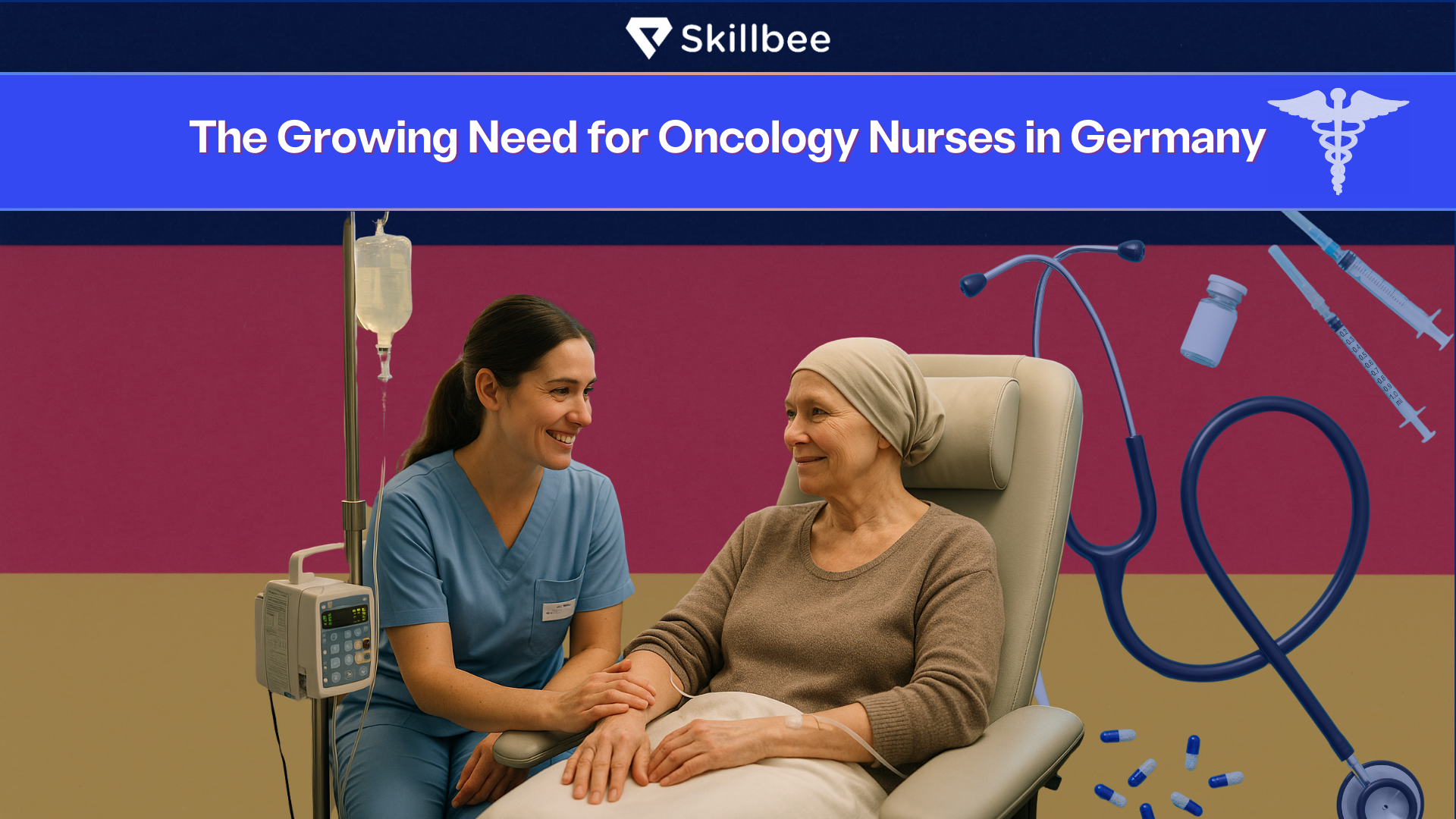
Oncology nurses in Germany is a highly specialized field that combines advanced clinical care with emotional support for patients facing cancer. Oncology nurses in Europe play a vital role throughout the patient journey, from diagnosis and treatment to recovery and palliative care, ensuring both medical and psychological needs are addressed. As cancer cases continue to rise across Europe, particularly due to ageing populations and improved diagnostic capabilities, the demand for skilled oncology nurses is growing rapidly. Healthcare systems in countries such as Germany are facing increasing pressure to provide quality cancer care while addressing nursing workforce shortages.
This blog explores the growing demand for oncology nurses in Europe, the critical role they play in patient care, and the career opportunities available for internationally educated nurses seeking to build a successful future in this specialized field.
The Rising Incidence of Cancer in Europe

Statistics on Cancer Prevalence
- There were approximately 4,471,422 new cancer cases in Europe, which were recorded in 2022, with an age-standardized incidence rate (ASR) of 280 per 100,000 persons.
- Approximately 2.36 million were in males and approximately 2.11 million in females.
- Mortality is also substantial, with approximately 2 million cancer deaths every year in Europe. In 2022, there were 1,986,093 cancer deaths (alone).
- Cancer prevalence (i.e., people who have any past diagnosis of cancer), however, is increasing. They can see the prevalence as high as 5% of the population in European countries who have been diagnosed with cancer within their lifetime. In 2020, that would reflect approximately 23.7 million diagnosed individuals across 29 European countries.
- Projections for new cancer diagnoses predict a potential increase of approximately 18% by the year 2040, and a potential increase of approximately 26% for cancer‐related deaths, predominantly due to differences in demographic changes, assuming the incidence & mortality per age cohort remain stable.
Common Types of Cancer in Europe
The cancers that are the most common (for men and women) are:
- Breast cancer (most common in women)
- Colorectal cancer
- Lung cancer (with a high burden of mortality)
- Prostate cancer (most common in men)
The following emerging cancers are noteworthy by gender:
- For women, after breast, colorectal, and lung cancer, uterine (corpus uteri) and pancreatic cancer are the most common.
- For men, prostate and lung cancer are common, followed by colorectal, bladder, and kidney cancer are common.
Cancers with a high burden of mortality: lung cancer is the leading cause of cancer deaths, followed by colorectal cancer and breast cancer in women. Pancreatic cancer is notable for its low survival rates and increasing deaths.
How Age‐Related Changes Impact Cancer Care Needs
Age is the leading risk factor for cancer; older persons are more likely to have cancer than younger ones. As the population of Europe ages, the absolute number of cancer cases rises even if counts are stable in each age group.
Indeed, cancer prevalence in Europe increased at a rate of approximately 3.5%/year between 2010 and 2020 in part because of better treatments and earlier cancer detection, but also because more people are reaching advanced age.
Projections for cancer burden in 2040 indicate a substantial increase. Without substantial improvements in effective methods for preventing and screening for cancer, or increasing capacity for cancer intervention, the healthcare system will be increasingly stressed with staffing, infrastructure, treatment space, and post-treatment care.
Challenges faced by Oncology Nurses in Germany

The Shortage of Specialised Nurses in Oncology Departments
While demand continues to grow, oncology nurses in Germany remain in short supply. Many hospitals report difficulty filling oncology nursing positions, particularly in chemotherapy day clinics, radiotherapy centres, and palliative care wards. The shortage is further intensified because oncology nurses in Germany require not only a general nursing qualification but also specialized training in cancer treatment regimens, managing treatment toxicities, and providing patient counselling. As a result, patient-to-nurse ratios have increased in many healthcare settings, placing additional pressure on nursing staff and potentially affecting the quality of patient care.
Burnout and High Turnover Rates in Oncology Care
The role of oncology nurses in Germany is both physically and emotionally demanding. These nurses care for patients undergoing intensive cancer treatments, support families coping with life-changing diagnoses, and provide compassionate end-of-life care. The emotional demands of the profession, combined with long shifts and persistent staff shortages, contribute to some of the highest levels of burnout in healthcare. Research shows that burnout is one of the leading causes of turnover among oncology nurses in Germany, creating a challenging cycle where understaffing increases workplace stress, leading to even more resignations. When hospitals struggle to retain experienced oncology nurses, they lose not only valuable staff but also the specialized knowledge and mentorship essential for training new nurses and maintaining high-quality cancer care.
Skills Gap and the Need for Advanced Training
Cancer treatment is evolving rapidly, with innovative therapies such as immunotherapy, targeted therapy, and precision medicine becoming standard practice. As a result, oncology nurses in Germany must continuously update their clinical knowledge and technical skills to provide safe and effective patient care. However, advanced oncology education programs remain inconsistently available across Europe. In some countries, oncology nursing is still not formally recognized as a specialty, limiting access to structured training and career advancement opportunities. Addressing these education and skills gaps is essential to ensure that oncology nurses in Germany can safely administer complex treatments, manage treatment-related side effects, and deliver personalized, high-quality care throughout the entire cancer journey.
Why Oncology Nurses Are Important

Administering Chemotherapy, Immunotherapy, and Palliative Care
Oncology nurses in Germany are often the first clinical point of contact for patients diagnosed with cancer. They play a critical role in administering complex treatments such as chemotherapy and immunotherapy while closely monitoring patients for side effects, adverse reactions, and complications. Their responsibilities require accurate dosage calculations, careful preparation, and the safe handling of specialized medications to ensure effective treatment delivery. Beyond active cancer treatment, oncology nurses in Germany also provide palliative care by managing pain, controlling symptoms, and offering emotional support to patients with advanced illnesses. Through compassionate, patient-centred care, they help improve quality of life for both patients and their families throughout every stage of the cancer journey.
Providing Emotional Support to Patients and Families
Oncology nurses in Germany provide far more than clinical care, as cancer affects patients emotionally and mentally as well as physically. Throughout the treatment journey, they offer compassionate support to both patients and their families by providing counselling, educating them about treatment plans and potential side effects, and helping them navigate difficult medical decisions. By building trust, reducing anxiety, and encouraging open communication, oncology nurses in Germany play a vital role in improving patients’ emotional well-being, strengthening relationships with the healthcare team, and supporting better treatment adherence and overall quality of care.
Coordinating Care with Multidisciplinary Teams
Oncology nurses in Germany play a central role in coordinating cancer care across multidisciplinary healthcare teams. Cancer treatment involves collaboration among oncologists, radiologists, surgeons, physiotherapists, dietitians, social workers, and other specialists. Acting as the primary point of coordination, oncology nurses in Germany facilitate clear communication between healthcare professionals, coordinate treatment plans, monitor patient safety and progress, advocate for patient rights and comfort, and help patients navigate the medical, emotional, and practical aspects of cancer care. Their ability to bring together different areas of expertise is essential for delivering comprehensive, patient-centred care and improving both treatment outcomes and quality of life.
Opportunities for Indian Nurses in Europe

Countries Actively Recruiting Oncology Nurses
Germany
Germany’s healthcare system is actively recruiting for qualified nurses, especially oncology nursing. The Triple Win Programme, in partnership with Norka Roots in Kerala, facilitates migration opportunities for qualified nurses from India to Germany. Nurses in Kerala will receive language training and technical education, establishing a pathway for successful integration into the German healthcare system. Nurses will have their qualifications recognized within 12 months of arrival in Germany.
United Kingdom
The UK is a place that is keen to recruit oncology nurses and is actively recruiting and offering many positions for oncology nursing. Approximately 20.4% of NHS staff who work in England are from non-UK nationals, with Indian professionals being well represented throughout both doctors and nurses.
Netherlands
The Netherlands offers nursing opportunities in many hospitals throughout the entire year, both private and public. Specialised nurses, including oncology, can make between €45,000 and €55,000 per year.
Advantages of Being an Oncology Nurse in Europe
Competitive Salaries:
- Germany: The average annual gross salary for an oncology nurse is about €58,630. New nurses can expect around €41,573, and senior nurses can expect around €72,589.
- United Kingdom: The average salary of a registered oncology nurse is £39,570.
- Netherlands: Nursing specialists in oncology can expect a salary ranging from €45,000 to €55,000 yearly.
Professional development:
In Europe, there are strong professional development opportunities through advanced training courses, workshops, and certificates. Employers promote lifelong learning to help nurses upgrade their skills and transition to higher-level roles.
- Career progression: In Europe, there are clear pathways for career progression, and nurses can specialize even more, be promoted into a leadership role, or progress into academia or research.
- Work-life balance: European healthcare systems emphasize work-life balance, offering reasonable working hours, generous paid leave, and a supportive work environment.
International Nurses and Visa and Work Permit Considerations
- Germany: To work in Germany as a nurse, you must have your nursing qualifications recognized by the German authorities. You will be required to have a sufficient command of the German language, typically at a B1 level. The Triple Win Programme is a program that is available to support nurses from India with language training, visa paperwork, and job placement.
- United Kingdom: There is a visa called a Health and Care Worker Visa, which Indian nurses can apply for, that allows them to live and work as a nurse in the UK. The application process is relatively easy, and they can bring families to the UK. They will be required to show that they have capacity in English, typically through the IELTS or OET examinations.
- Netherlands: You will need to have your qualifications recognized by the Dutch authorities in order to work in the Netherlands as a nurse. You must speak Dutch; employers will often provide training to learn the language. The process involves a work permit (for the employer) and residence visa.
Required Skills and Qualifications for Indian Nurses

Educational Qualifications
For an Indian Nurse aspiring to work as an oncology nurse in Europe, a Bachelor’s degree in Nursing (B.Sc Nursing) or an equivalent qualification is typically needed, which is also recognised by the respective country. Some jobs may require additional qualifications or specialization (and certification) with oncology nursing education qualifications to nurse chemotherapy, immunotherapy, radiation therapy, and palliative care and to manage complex patient cases safely and effectively.
Language Skills and Certifications
For internationally trained nurses, strong language skills are essential for delivering safe patient care, communicating effectively with colleagues, and successfully integrating into the healthcare system. While language requirements vary across countries, they are a key step toward professional recognition and employment. For oncology nurses in Germany, language proficiency is particularly important because they regularly communicate with cancer patients, explain complex treatment plans, and coordinate care with multidisciplinary teams.
Netherlands: Proficiency in the Dutch language is often required for nursing registration and employment. Some hospitals support international nurses by offering in-house Dutch language training to help them reach the required level.
Germany: Oncology nurses in Germany are generally required to demonstrate B2 or C1-level German proficiency, depending on the hospital, federal state, and recognition pathway. Passing an approved German language examination is a key requirement for professional recognition and registration as a nurse.
United Kingdom: International nurses must demonstrate English proficiency, typically through an IELTS score of 7.0 overall (with no band below 6.5) or a Grade B in all OET modules, before they can register and practice.
Soft Skills
In aIn addition to advanced clinical knowledge, oncology nurses in Germany must possess strong soft skills to provide holistic, patient-centred care. Cancer treatment is often a long and emotionally challenging journey, requiring nurses to support patients and their families beyond medical procedures. These interpersonal and professional skills help build trust, improve communication, and ensure high-quality care throughout every stage of treatment.
Empathy
Empathy is one of the most valuable qualities for oncology nurses in Germany. Cancer patients often experience fear, anxiety, uncertainty, and emotional distress following their diagnosis and throughout treatment. Nurses who listen with compassion, acknowledge patients’ concerns, and provide emotional reassurance help create a supportive environment where patients feel respected and understood.
Empathy also extends to supporting family members, who may be coping with difficult decisions and emotional challenges. By building trusting relationships, oncology nurses contribute significantly to patients’ overall well-being and quality of life.
Resilience
Working in oncology can be emotionally and physically demanding. Oncology nurses in Germany regularly care for patients receiving intensive treatments, facing life-threatening illnesses, or requiring end-of-life care. Supporting patients through these difficult experiences while managing heavy workloads can lead to emotional fatigue if not properly addressed.
Resilience enables nurses to manage stress, maintain emotional balance, and continue providing compassionate care without compromising their own well-being. Developing healthy coping strategies, seeking peer support, and maintaining a good work-life balance are essential for preventing burnout and ensuring long-term career success.
Communication Skills
Clear and effective communication is fundamental for oncology nurses in Germany. Nurses must explain complex medical procedures, treatment plans, medication schedules, and possible side effects in a way that patients and their families can easily understand.
Strong communication also involves active listening, responding with empathy, asking appropriate questions, and collaborating effectively with doctors, pharmacists, and other healthcare professionals. Since Germany’s healthcare system places significant emphasis on patient-centred care, excellent communication skills help improve patient safety, treatment adherence, and overall satisfaction.
Teamwork and Collaboration
Cancer treatment requires close coordination between multiple healthcare professionals, including oncologists, surgeons, radiologists, physiotherapists, dietitians, psychologists, pharmacists, and social workers. Oncology nurses in Germany play a central role in ensuring seamless communication and collaboration among these multidisciplinary teams.
Successful teamwork involves sharing information accurately, respecting the expertise of other professionals, participating in clinical discussions, and working together to develop individualized treatment plans. Nurses who contribute positively to collaborative care help improve treatment outcomes and ensure patients receive comprehensive support throughout their cancer journey.
Adaptability and Continuous Learning
Cancer care continues to evolve with advancements in immunotherapy, targeted therapy, precision medicine, and innovative treatment technologies. As a result, oncology nurses in Germany must remain adaptable and committed to lifelong learning.
Being open to new clinical guidelines, attending professional development programs, and updating clinical knowledge enables nurses to deliver safe, evidence-based care. Adaptability also helps international nurses adjust more easily to Germany’s healthcare system, workplace culture, and changing patient needs.
Professionalism and Ethical Practice
Professionalism is another essential quality for oncology nurses in Germany. Nurses are expected to maintain patient confidentiality, demonstrate ethical decision-making, respect patient autonomy, and uphold the highest standards of professional conduct.
Being punctual, accountable, respectful, and committed to continuous improvement helps build trust among patients, colleagues, and employers while creating opportunities for long-term career advancement.
Building a Successful Oncology Nursing Career in Germany
By developing these essential soft skills alongside specialized oncology training, German language proficiency, and strong clinical expertise, oncology nurses in Germany can deliver compassionate, evidence-based, and patient-centred cancer care. These skills not only improve patient outcomes but also enhance workplace relationships, increase job satisfaction, and create greater opportunities for professional growth within Germany’s rapidly evolving healthcare system.
Conclusion
The demand for oncology nurses in Europe is growing rapidly, driven by rising cancer incidence, an aging population, and advancements in complex treatments. Oncology nurses play a critical role, not only administering therapies like chemotherapy and immunotherapy but also providing emotional support, coordinating care, and ensuring patients receive safe, compassionate, and holistic care. Despite the high need, Europe faces challenges such as staff shortages, burnout, and skills gaps, making qualified and dedicated oncology nurses more essential than ever.
For Indian nurses aspiring to advance their careers in Europe, opportunities are particularly promising in countries like Germany, the United Kingdom, and the Netherlands. Competitive salaries, professional development, career progression, and supportive work environments make Europe an attractive destination for skilled nursing professionals. However, success requires the right combination of education, specialized training, language proficiency, and soft skills.
Skillbee is actively recruiting Indian nurses for roles in Germany, providing comprehensive support throughout the process, from language training and qualification recognition to job placement. By partnering with Skillbee, nurses can take confident steps toward a rewarding career in oncology nursing in Europe, contributing meaningfully to patient care while advancing their own professional growth.
 +91 73 6009 6009 (India)
 contact@skillbee.com
Leave a Reply