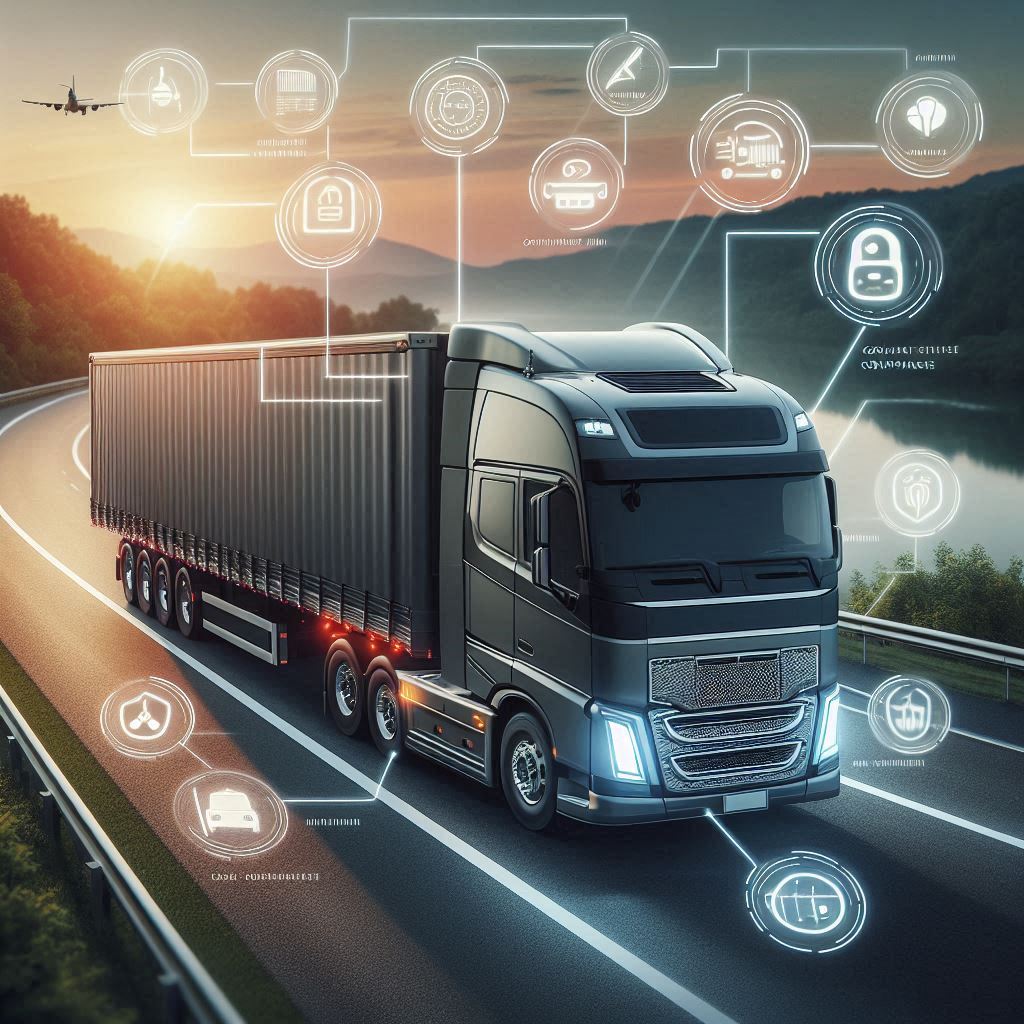
The trucks and truck drivers support other industrial sectors but also help in driving economic growth by facilitating trade and commerce. However, the critical role of the trucking industry also comes with its inherent risks and challenges, necessitating a robust regulatory framework to govern its operations.
The rules and regulations within the trucking industry are designed to ensure the safety of drivers, other road users, and the environment.
These trucking regulations set upon the trucking industry come with a wide range of rules, from hours of service (HOS) that track and limit how long drivers can be on the road without rest, to the vehicle’s maintenance, and emissions regulations aimed at reducing the environmental footprint of trucking.
The goal of these regulations is to create a safer, more sustainable trucking industry that can continue to support economic activities without compromising public safety or environmental health.
While trucking regulations are essential for safety and environmental reasons, they also have significant economic impacts.
Following these regulations often requires substantial investment and operational adjustments from trucking companies, influencing their efficiency and profitability.
Moreover, the ripple effects of these regulations extend beyond the trucking industry itself, affecting the broader supply chain, logistics costs, and ultimately, the prices of goods and services.
In this blog, we will delve into the economic impact of trucking regulations, examining both the direct and indirect costs, as well as the potential benefits and future implications.
Explanation of Key Trucking Regulations
Hours of Service (HOS)
Hours of Service (HOS) regulations are designed to prevent driver fatigue which can be a major cause of accidents on the road. These regulations track, how long a driver can be on duty and how long they should take rest during the journey.
In Europe, these rules are slightly different, with drivers driving in a limited time (9 hours of driving per day), which can be extended to 10 hours twice a week, and a weekly driving limit is for almost 56 hours.
Vehicle Maintenance
The regulation regarding Vehicle Maintenance ensures that trucks are in safe operating condition before and during the journey. These rules ensure regular inspections, repairs, and maintenance of vehicles are scheduled. The key areas are as follows:
- Brake systems: Daily checking and maintenance of vehicles to ensure proper function.
- Lights and reflectors: Truck drivers should ensure all lights and reflective devices are operational.
- Steering mechanisms: Regular inspections are necessary so that during the journey, truck drivers do not face any problems related to the vehicle.

Emissions Standards
Emissions standards and regulations are designed to reduce the environmental impact of trucking by limiting the pollutants that are caused by these heavy-duty vehicles. The rules regarding the emission standards vary as there are different rules and regulations in different regions of Europe:
- Carbon monoxide (CO): Limits on the amount of CO that can be emitted.
- Nitrogen oxides (NOx): Stricter limits to reduce smog and acid rain.
- Particulate matter (PM): Regulations to minimize the release of soot and other particulates.
- Hydrocarbons (HC): Limits on unburned fuel emissions.
Historical Context and Evolution in Trucking Regulations
Early Regulations
In the early 20th century, there were minimal regulations in the trucking industry which focused mainly on basic safety measures. As the industry evolves with changing times, the need for having more regulations becomes important.
Mid-20th Century
By the mid-20th century, the increase in commercial trucking led the industry to follow more structured regulations. In the U.S., the Federal Motor Carrier Safety Administration (FMCSA) was established to oversee the trucking industry making sure the truck driver’s safety is a priority.
The introduction of the HOS regulations is aimed at addressing driver fatigue, which is one of the significant causes of accidents that happen on the road.
Modern Era
In recent decades, advancements in technology and increased awareness of environmental and safety issues have driven further regulatory changes.
- Electronic Logging Devices (ELDs): ELDs have become mandates in heavy-duty vehicles that comply with HOS rules. The HOS rules closely track the logging hours of truck drivers.
- Stringent emissions standards: Both in the U.S. and Europe, regulations have become stricter to address environmental concerns. For example, the Euro emissions standards in Europe have progressively reduced the allowable limits for vehicle emissions.

In Europe
- Driving and Rest Times: Mandated by European Union regulation, there is a specific period set for driving limits and a rest period for truck drivers at rest stops.
- Digital Tachographs: The tachographs are required for tracks logging hours of driving and rest times taken by truck drivers which is quite similar to ELDs (Electronic Logging Devices)
- Weight Limits: Generally set at 40 metric tonnes, with some variations by country.
India
- HOS Regulations: Less strict towards HOS regulation than Western countries, with more flexible driving hours.
- Vehicle Standards: The Bureau of Indian Standards (BIS) sets vehicle safety and emission standards.
- Weight Limits: Regulated but often exceeded due to enforcement challenges.
Direct Economic Costs
Costs for Trucking Companies
Training:
Following and compliance with trucking regulations necessitates regular training for drivers and other personnel. This includes:
Initial Training:
The new drivers pursuing a career in the trucking industry as well as those drivers (Indian truck drivers) who are looking forward to working in European countries must be trained based on regulations set by the EU such as Hours of Service (HOS), vehicle maintenance protocols, and emissions standards.

Ongoing Training:
Existing truck drivers such as Indian drivers required to upskill and adapt to changes in regulations to ensure continuous compliance. This can involve both time and financial investment.

Equipment Upgrades:
Meeting regulatory requirements often requires significant investments in new technologies and equipment:
- Electronic Logging Devices (ELDs): ELDs were first mandated in the U.S. and were used to monitor HOS compliance, later were introduced in other European countries. ELDs involve both hardware costs and subscription fees for software services.
- Emission Control Technologies: Upgrading or retrofitting vehicles with systems such as Diesel Particulate Filters (DPFs), and other advanced technologies such as the use of electric vehicles, and biodiesel fuel to meet emissions standards and promote green trucking benefits.
- Maintenance Equipment: Specialized tools and diagnostic equipment are needed to perform regular inspections and maintenance as per regulatory standards.
Maintenance:
Regulations require rigorous and frequent maintenance schedules, leading to increased costs:
- Truck drivers should make sure to do regular checks on the vehicle’s brakes, tires, lights, and other critical systems to ensure safety and compliance.
- Adhering to strict maintenance standards often results in more frequent repairs and replacements, increasing both parts and labor costs.

Impact on Operational Efficiency and Productivity
Limitations on Driving Hours:
HOS regulations, while essential for safety, can reduce operational efficiency:
- Restrictions on driving hours limit the amount of time drivers can spend on the road, potentially leading to longer delivery times and reduced overall productivity.
- Mandatory rest periods and breaks, though necessary for safety, can cause delays and complicate scheduling, especially for long-haul operations.
- HOS regulations can exacerbate driver shortages by limiting the number of hours drivers can work, necessitating more drivers to cover the same amount of work.
Logistical Challenges:
Regulatory compliance can introduce several logistical challenges:
- Following HOS rules and maintaining proper schedules requires planning and coordination, which can be resource-intensive.
- Regulations often limit the flexibility of fleet utilization, as vehicles may need to be taken out of service for mandatory inspections or maintenance, reducing overall availability.

Fines and Penalties for Non-Compliance
Financial Penalties:
Failure to comply with trucking regulations can result in substantial fines and penalties:
- Penalties are charged to truck drivers for exceeding the driving speed limit, driving hours, and if the drivers failed to take required rest breaks.
- If drivers violate any regulations regarding to trucking industry such as maintenance of vehicles, driving at the speed limit, etc., they will charged with fines and penalties.
Increased Insurance Costs:
Non-compliance can lead to higher insurance premiums:
- Non-compliance with safety regulations can increase the risk of accidents, leading insurers to raise premiums.
- Insurance companies may assess higher premiums for companies with a history of regulatory violations, impacting overall operational costs.

Conclusion
The economic impact of trucking regulations is multifaceted, encompassing direct costs to trucking companies, operational challenges, and broader effects on the supply chain and logistics.
For recruitment agencies like Skillbee, which specializes in hiring Indian truck drivers for European roles, understanding these regulations is crucial. Following these regulations not only enhances safety but also environmental sustainability.
By facilitating the recruitment of drivers who are well-versed in regulations such as Hours of Service (HOS), vehicle maintenance, and emissions standards.
This includes avoiding hefty fines, reducing insurance costs, and ensuring smooth operations for the companies they supply drivers to.
Moreover, through continuous training and support, Skillbee can ensure that its drivers remain up-to-date with evolving regulations, further enhancing their value proposition in the competitive European market.
Ultimately, through recruitment processes with the regulatory framework of the European trucking industry, Skillbee’s skilled candidates can also contribute to a safer, more efficient, and environmentally responsible logistics sector.
This approach not only supports the economic growth of the industry but also fosters a sustainable and compliant operational environment for their drivers and partner companies alike.
 +91 73 6009 6009 (India)
 contact@skillbee.com
Leave a Reply